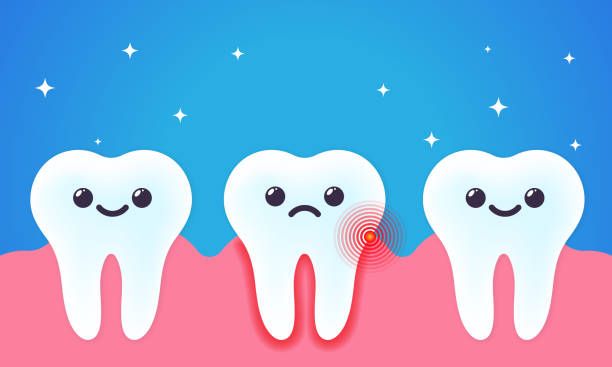
An impacted tooth is a common yet often misunderstood dental condition that can lead to pain, infection, and long-term oral health complications if left untreated. Many people don’t realize they have an impacted tooth until symptoms become severe or are discovered during a routine dental exam. Understanding the warning signs early and knowing how to manage the condition can help prevent discomfort and protect your overall oral health.
In this guide, we’ll explore what an impacted tooth is, how to recognize its symptoms, why treatment matters, and when it’s time to consult an experienced williamsville oral surgeon for proper care.
What Is an Impacted Tooth?
An impacted tooth occurs when a tooth fails to fully emerge through the gums into its proper position. This often happens due to lack of space, misalignment, or obstruction by neighboring teeth or bone. Wisdom teeth are the most commonly impacted, but canines and premolars may also be affected.
In areas like Williamsville, impacted teeth are frequently diagnosed during X-rays taken for orthodontic evaluations or when patients seek care for jaw pain or swelling. Early diagnosis of an impacted tooth patients experience can significantly reduce complications.
Common Signs and Symptoms of an Impacted Tooth
Recognizing the symptoms early can help you seek timely treatment. While some impacted teeth remain asymptomatic, many cause noticeable issues, including:
1. Pain or Discomfort
Persistent or intermittent pain at the back of the mouth or jaw is one of the most common signs. The pain may worsen while chewing or opening the mouth.
2. Swollen or Red Gums
Inflammation around the affected area may indicate that the tooth is trapped beneath the gum line. In some cases, the gums may bleed easily.
3. Jaw Stiffness or Difficulty Opening the Mouth
Impacted teeth can place pressure on surrounding tissues, leading to jaw stiffness or limited movement.
4. Bad Breath or Unpleasant Taste
Food particles and bacteria can become trapped around a partially erupted tooth, causing persistent bad breath or a bad taste.
5. Headaches or Ear Pain
Pain from an impacted tooth can radiate to the head, neck, or ears, making it difficult to pinpoint the source.
If you experience one or more of these symptoms, it’s important to consult a dental professional familiar with impacted tooth treatment in Williamsville.
Why Managing an Impacted Tooth Is Important
Ignoring an impacted tooth can lead to serious complications, such as infection, cyst formation, damage to adjacent teeth, and gum disease. In some cases, untreated impaction can even affect jaw alignment and overall oral function.
Seeking evaluation from a qualified oral surgeon ensures accurate diagnosis through imaging and a personalized treatment plan tailored to your needs.
How Impacted Teeth Are Diagnosed
Diagnosis typically involves a clinical examination and dental X-rays. These images help determine the position of the tooth, its relationship to nearby structures, and whether surgical intervention is required.
For many patients dealing with an impacted tooth williamsville dental professionals emphasize early detection to avoid more complex procedures later.
Treatment and Management Options
The appropriate treatment depends on the severity of the impaction and the presence of symptoms:
Monitoring
If the impacted tooth isn’t causing problems, your oral surgeon may recommend periodic monitoring.
Medication
Pain relievers, antibiotics, or anti-inflammatory medications may be prescribed to manage discomfort or infection temporarily.
Surgical Removal
When symptoms persist or complications arise, surgical extraction is often the best solution. An experienced oral surgeon can safely remove the impacted tooth while minimizing discomfort and promoting faster healing.
Post-Treatment Care and Recovery
After treatment, proper aftercare is essential. Patients are usually advised to rest, follow a soft-food diet, maintain oral hygiene, and avoid strenuous activity during recovery. Following professional instructions closely helps ensure optimal healing and reduces the risk of complications.
Final Thoughts
Recognizing the signs of an impacted tooth early can make a significant difference in treatment outcomes. Whether you’re experiencing jaw pain, gum swelling, or unexplained discomfort, prompt evaluation is key. With proper care from a skilled oral surgeon, managing an impacted tooth patients encounter can be safe, effective, and stress-free.